The US Global Hub of Future Earth is collaborating with the National Academies of Sciences, Engineering and Health’ Science and Technology for Sustainability Program, to host a series of dialogues with US sustainability research and innovation leaders from different sectors, to assess the status and future of sustainability science in the US. The focus of these cross-sector dialogues will be on societal needs and research ecosystem capacities for response, the frameworks through which we are and should be supporting sustainability science, and our methods for linking research, innovation, and technology communities. In a series of intense dialogues, each with 20 to 30 leaders that cross disciplines and sectors, we will explore the opportunities, bright spots and knowledge gaps we need to fill within the current national sustainability science ecosystem.
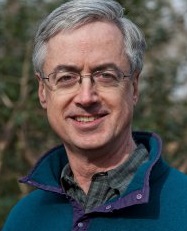
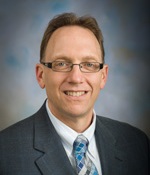
Franklin Carrero-Martinez
National Academy of Sciences
Full profile
Dr. Franklin Carrero-Martínez holds a Ph.D. in Cell and Developmental Neurobiology and a Certificate in Business Administration from the University of Illinois at Urbana-Champaign. His multidisciplinary career includes roles as researcher and educator, science administrator, and science diplomat in government, academia and NGOs.In academia, Franklin established a strong research program aimed at understanding the brain’s self-organization principles and how to use that knowledge to manipulate brain connectivity. His successful career at the University of Puerto Rico included tenure, promotion to Associate Professor, visiting scholarship to Duke, sabbatical at MIT’s Brain Institute, community service and outreach, invention disclosures, curricular reform and awards recognizing his innovative approaches to science education for underserved populations.In 2012, he transitioned to government service as the American Association for the Advancement of Science Roger Revelle Fellow in Global Stewardship. He served this prestigious distinction with a joint appointment between the Department of State’s Office of the Science and Technology Adviser (STAS) and NASEM. He later joined STAS and was posted to the U.S. Embassy in Mexico City as acting Science Counselor before moving to the National Science Foundation Office of International Science and Engineering in 2014. Franklin returned to STAS in 2016, and during this time he directed the office and served as the Department’s senior advisor on science, technology and innovation. In 2018, he joined NASEM where he directs the Global Policy and Development and the Science and Technology for Sustainability Programs at the National Academies of Science, Engineering and Medicine (NASEM).
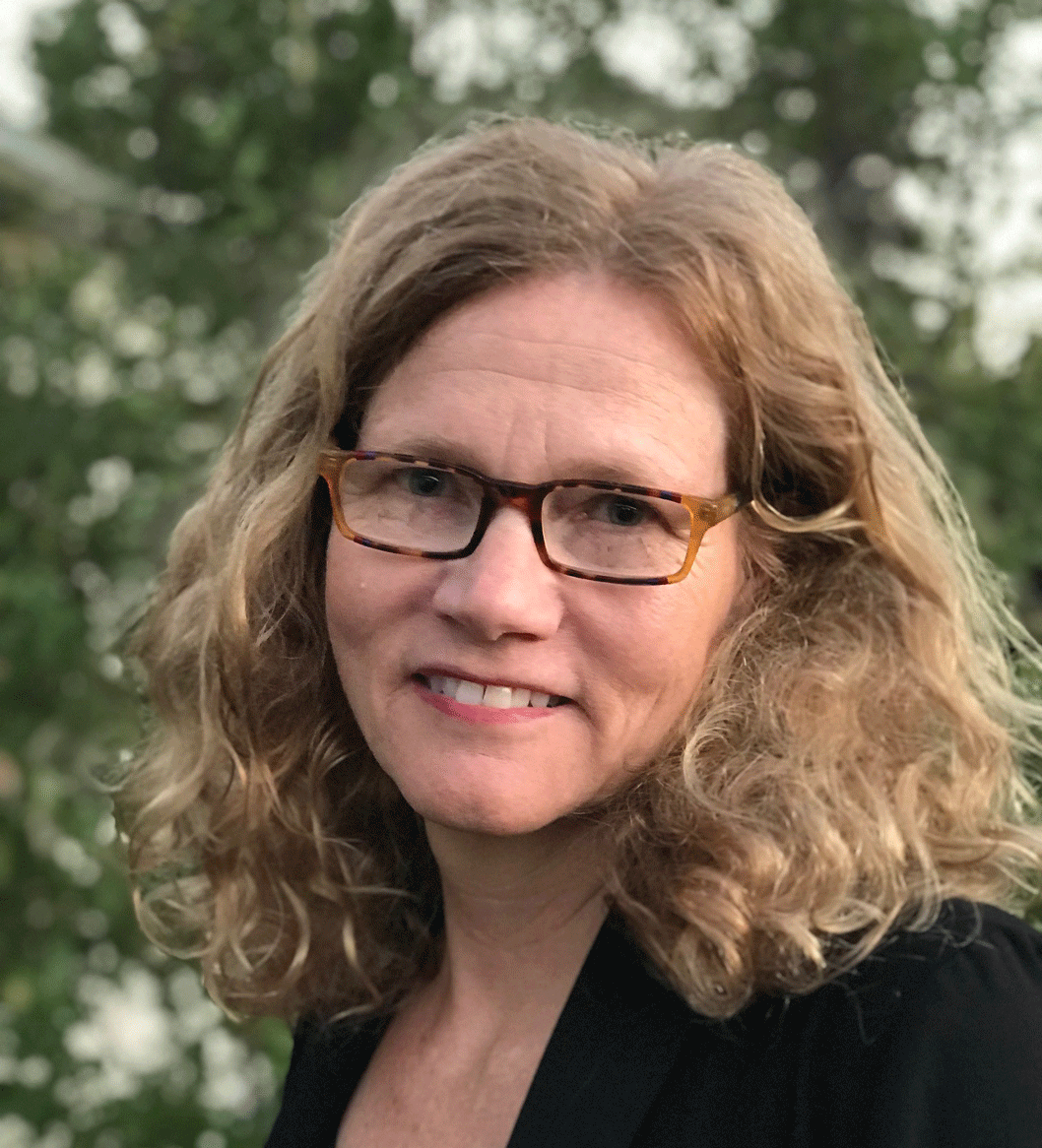
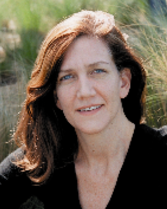
Sharon Collinge
Executive Director, Earth Leadership Program
Full profile
Sharon brings diverse leadership experience and commitment to environmental sustainability to the role of Executive Director of the Earth Leadership Program. Sharon believes that good leadership doesn’t just happen, but that it takes intention, reflection, training, and practice. As a Leopold Leadership Fellow in 2004, Sharon gained pragmatic tools and joined a remarkable network of environmental scientists that accelerated her learning and practice of leadership. In the last 15 years, Sharon has engaged in collaborative leadership and in bringing “knowledge to action” in varied contexts, including the development and launch of a new professional masters’ program at the University of Colorado-Boulder, as Chief Scientist of the National Ecological Observatory Network (NEON), and in building community-university partnerships within the newly-founded Center for Sustainable Landscapes and Communities at CU-Boulder. Sharon brings her skills, energy, and expertise to the role of Executive Director, and enjoys working with others in building the next phase of the Earth Leadership Program.Sharon joined the faculty of Environmental Studies at CU-Boulder in 1998, after earning a doctorate in landscape ecology from Harvard University in 1995. Sharon’s interdisciplinary scholarship and teaching focus on human-environment interactions in urban and wild landscapes. Her research emphasizes the impacts of habitat loss, fragmentation, and restoration on the persistence of native species, communities, and ecosystems, and is particularly relevant to the interface between environmental science and policy regarding endangered species and habitat protection. Sharon was elected to serve as the Ecological Society of America’s Vice President for Public Affairs from 2011-2014 and has been a member of the Board of Trustees for The Nature Conservancy of Colorado since 2016.

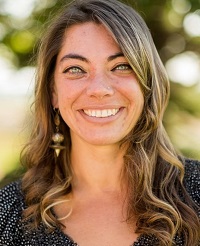
Ariane de Bremond
Executive Director, International Programme Office, Global Land Programme; Centre for Development and Environment (CDE), University of Bern, Switzerland
Full profile
I am Executive Officer of the Global Land Programme, Senior Scientist at the Centre for Development and Environment at the University of Bern, and Assistant Research Professor at the University of Maryland, College Park. In addition to my work coordinating the GLP community, my research interests include governance of distally connected socio-ecological systems (telecoupling); land tenure and relation to land use and cover change; forest governance and conflict; and carbon conservation schemes such as REDD+ in the context of global climate change policies and development issues. I am also Principal Investigator on a recently awarded grant from the NASA Land-Cover and Land-Use Change (LCLUC) program, “The Global Rush for Land: A Socio-Ecological Synthesis” Principal Investigator (2017-2020) and a Senior Fellow of the Breakthrough Institute.
Amy Luers
Senior Advisor, Sustainability in the Digital Age
Full profile
Amy Luers is the Senior Advisor of the Sustainability in the Digital Age Initiative and senior advisor to Future Earth. Luers also sits on the Foresight Committee of the Veolia Institute. She has over 25 years of experience working at the intersection of science, technology and policy. A former assistant director on climate resilience and information in the Obama White House and senior environment manager at Google, she is a member of the U.S. Council on Foreign Relations and has served on committees of the U.S. Global Change Research Program and the National Academies of Sciences. Dr. Luers started her career working in rural water development in Latin America as co-founder and the first executive director of Agua Para La Vida (Water for Life). She spent a number of years directing the water and climate security work at the Skoll Global Threats Fund. She sits on several advisory boards including the Carnegie Climate Governance Initiative, STS Forum Regional Climate Action, the IEEE Committee on Ethically Designed AI for a Sustainable Planet, the International Observatory on the Societal Impacts of AI and Digital Technologies, and the US National Council for Science and the Environment. Amy Luers holds a Ph.D. in environmental science and an M.A. in international policy studies, from Stanford University; a B.S. and M.S. in environmental systems engineering from Humboldt State University; and a B.A. in philosophy from Middlebury College. She has published in both peer-reviewed and popular media on big data and the digital age, science communication, climate policy and vulnerability and resilience of human-environmental systems.
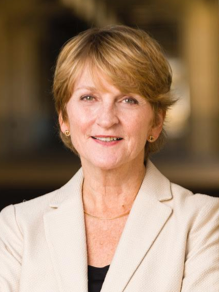
Pamela Matson
Full profile
Dr. Pamela Matson is an interdisciplinary sustainability scientist, academic leader and organisational strategist. Her research addresses a range of environment and sustainability issues, including sustainability of agricultural systems and vulnerability and resilience of particular people and places to climate change. With multi-disciplinary teams of researchers, managers and decision-makers, she has worked to develop agricultural approaches that reduce environmental impacts while improving human wellbeing. She served on the National Academy’s Board on Sustainable Development in the 1990s and co-wrote the NRC volume Our Common Journey: A transition toward sustainability. She was the founding chair of the National Academies Roundtable on Science and Technology for Sustainability, and founding editor for the Annual Review of Environment and Resources. She serves on advisory boards for Arizona State University’s Global Institute of Sustainability and the University of Vermont’s Institute for the Environment, and co-directs the Leopold Leadership Program at Stanford University. Her recent publications (among nearly 200) include Seeds of Sustainability: Lessons from the Birthplace of the Green Revolution and Pursuing Sustainability.Dr. Matson is an elected member of the National Academy of Science and the American Academy of Arts and Sciences and has received a MacArthur Fellowship, among many other awards and recognitions. In addition to her roles in sustainability science, she has served on numerous National Academies’ committees, including the the Board on Global Change, and the Committee on America’s Climate Choices. She also served on the science steering committee for the International Geosphere-Biosphere Program, and jointly received the Nobel Prize for her contributions to the IPCC. She is a past President of the Ecological Society of America, serves as vice-chair of the board of the World Wildlife Fund, on the boards of the ClimateWorks Foundation and the California Academy of Sciences and several university advisory boards.
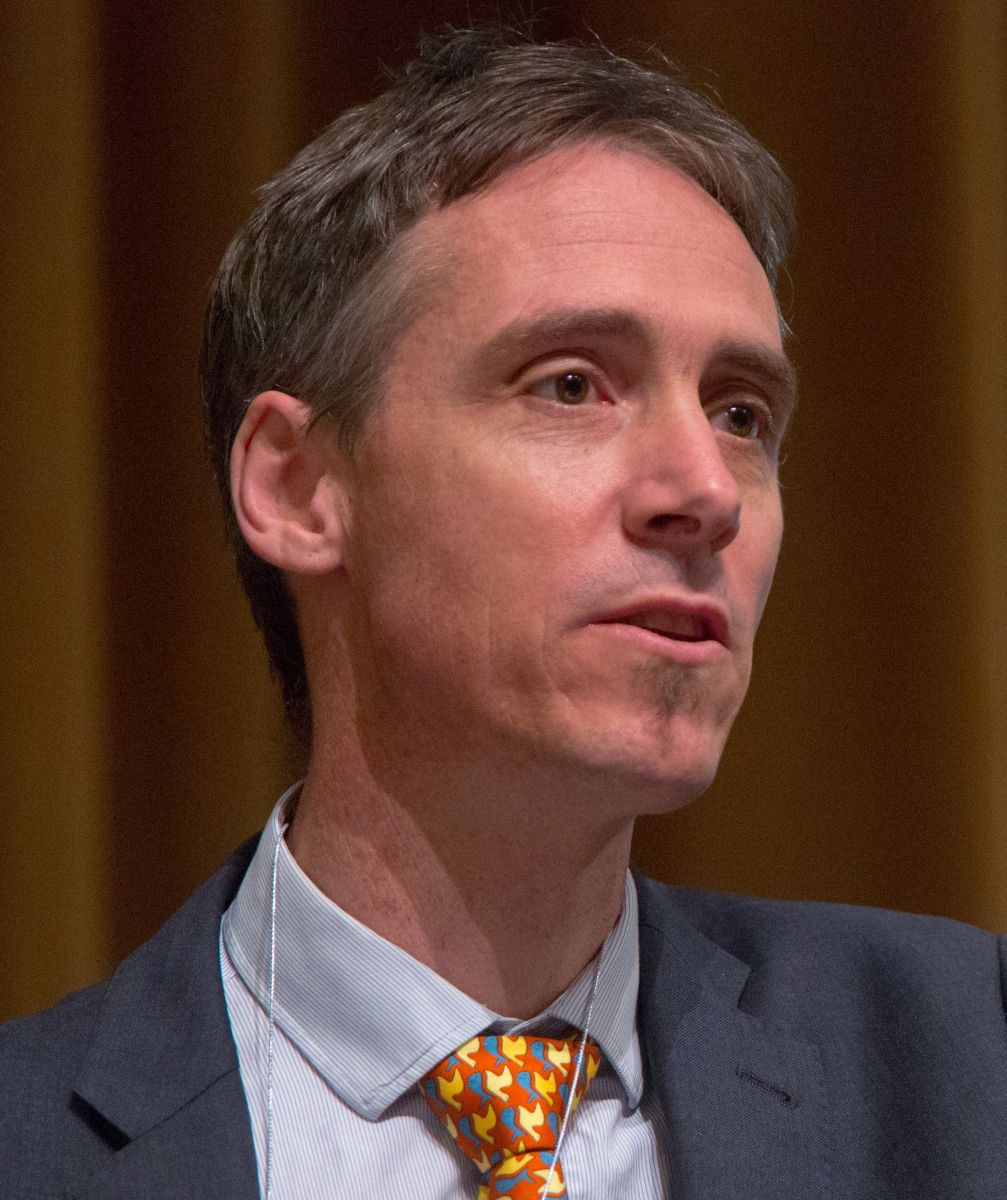
Jason Neff
Member
Full profile
Jason Neff is an Associate Professor in the Environmental Studies program at CU Boulder where he also directs the undergraduate program in Environmental Studies. His research area is in biogeochemistry with a focus on a diverse array of subjects ranging from studies of the carbon cycle to atmospheric mineral aerosols. Through all these areas, Neff’s primary interest is in how human activities influence the movement of nutrients and material through the Earth System and the impacts of changing biogeochemical cycles on both natural ecosystems and human society. He has served in a wide variety of roles at the University of Colorado and nationally and has authored over 80 scientific publications and a forthcoming introductory environmental science digital text titled ‘A Changing Planet: the Science of Sustainability’. Neff speaks frequently to the media and public on the topic of land use change and dust storms in the deserts of the western US and has served on advisory panels for a wide variety of organizations including the US DOE, NASA, NSF, NCEAS, and other international science agencies. Professor Neff received his BA in Biology from The University of Colorado at Boulder (1993) and a Ph.D. in Biology from Stanford University (1999).
Patricia Romero-Lankao
Senior Research Scientist, National Renewable Energy Laboratory
Full profile
Dr. Romero-Lankao joined the National Renewable Energy Lab’s (NREL) Center for Integrated Mobility Sciences (formerly known as the Transportation and Hydrogen Systems Center) in 2018 as a senior research scientist in joint appointment with the University of Chicago’s Mansueto Institute for Urban Innovation, where she is a research fellow.From a behavioral science perspective, she examines the interactions among people, mobility, the built environment, and energy systems, as well as their resilience to disruptive events. Throughout her career, she has developed a considerable body of highly regarded interdisciplinary research, resulting in several research grants, and more than 130 peer-reviewed publications. Previously, she worked at the National Center for Atmospheric Research, where she examined crucial intersections between urbanization and risks associated with food, energy, and water systems along with related governance and the capacity of these systems to adapt to and mitigate climate risks.
Josh Tewksbury
Former: Global Hub Director, USA
Full profile
Josh was trained as an ecologist, evolutionary biologist, and conservation biologist. He has 20+ years of active research focused on climate impacts on plants and animals; the influence of fragmentation, connectivity, invasive species and mutualism loss on populations and communities; the evolution and functional significance of chemical defense in plants; and other topics.Before joining Future Earth as the Director of the Colorado Global Hub, Josh was the founding director of the Luc Hoffmann Institute, a global research center integrated within the International Secretariat of the World Wide Fund for Nature in Geneva Switzerland. While there, Josh started the Luc Hoffmann Fellows programme and launched over a dozen research projects, including work on the Food-Energy-Water nexus in Southeast Asia, Development corridors in East Africa, global mapping of threats to biodiversity and the development of regionally-appropriate low-carbon sustainability targets for urban areas.Prior to his work at the Luc Hoffmann Institute, Josh was the Maggie and Doug Walker Endowed Professor of Natural History at the University of Washington, with appointments both in the Department of Biology and the College of the Environment, which he worked to create.
Judit Ungvari
Co-Lead, Research & Innovation
Full profile
Judit Ungvari is the co-lead of the Future Earth Research and Innovation portfolio and the Research and Innovation Officer at George Mason University’s Institute for a Sustainable Earth. She came to Future Earth and Mason after 2 years at the National Science Foundation where she was a AAAS Science & Technology Policy Fellow. She was working in the Geosciences directorate on various international and integrative activities facilitating transdisciplinary global change research. Her work encompassed various programs within the Belmont Forum, Future Earth, and the Sustainability Research and Innovation initiatives.Judit is an ecologist by training, with expertise in avian biology in tropical habitats. She studied birds in the Peruvian Amazon region combining both laboratory- and field-based research and received her Ph.D. in Zoology with a certificate and concentration in Tropical Conservation and Development at the University of Florida. Her work on Amazonian forest bird communities related to the ecological mechanisms of habitat specialization, movement and dispersal between patchy habitats, combining metapopulation theory, landscape ecology, and population genetics. She also worked as a postdoctoral scholar at the Smithsonian Institute in Washington, DC, addressing avian conservation issues in coffee agroecosystems in Colombia.Judit is involved in local capacity building and community outreach both in the USA and Latin America and has mentored dozens of students to complete independent research projects in Peru, Colombia and Florida. Her interests include sustainability science, science diplomacy, supporting open research efforts, and communicating science to the public.